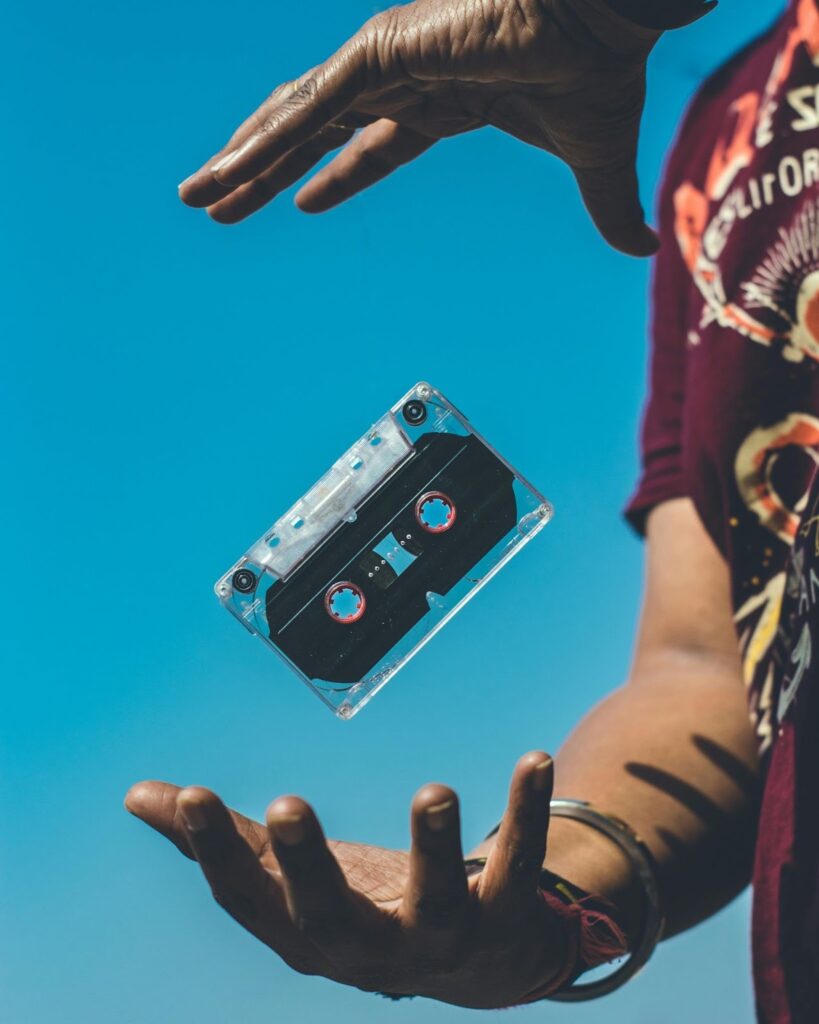
Photo by Ashutosh Sonwani: https://www.pexels.com/photo/person-doing-tricks-on-cassette-tape-1762578/
Over the past decade, the music landscape has transformed in ways that were once unimaginable. What used to require a record label, expensive studio time, and industry connections can now be accomplished from a bedroom with a laptop, a microphone, and a few clever tools. This shift has fueled a massive rise in DIY musicians—artists who write, record, produce, and promote their work independently.
But with this explosion of independence has come a new challenge: visibility. With millions of songs uploaded every year and social platforms crowded with emerging talent, cutting through the noise requires more than just talent and hustle. That’s where independent music press platforms step in as a powerful force for amplifying DIY artists.
The Democratization of Music Creation
The cost of music creation has plummeted. Digital audio workstations (DAWs) like Ableton, Logic, and GarageBand have made professional-grade production accessible to anyone willing to learn. Tutorials on YouTube break down everything from mixing basics to complex vocal processing. Even distribution has become frictionless—services like DistroKid and TuneCore allow artists to release songs to global streaming platforms with a few clicks.
This accessibility has unleashed a global wave of creativity. Artists no longer need to fit the mold of traditional labels or chase industry gatekeepers. They can create their own sound, establish their own brand, and cultivate their own community from day one.
However, democratization has also brought saturation. Listeners have endless options, and algorithms—once a major advantage for independent artists—now prioritize content quantity and virality over depth. This is why musicians increasingly need credible third-party coverage to validate their work.
Why Indie Press Matters More Than Ever
Independent music platforms play a critical role in elevating DIY musicians. Unlike mainstream outlets that often prioritize established names, indie platforms are designed to spotlight emerging talent. They champion experimentation, genre-blending, and originality—qualities that DIY artists embody.
Here’s why this type of coverage is essential:
1. It Builds Credibility
Press coverage acts as social proof. When an artist gets featured on a respected indie platform, it signals to fans, booking agents, playlist curators, and even labels that the music is worth paying attention to. For DIY musicians with no major backing, this validation is invaluable.
2. It Enhances Discoverability
Appearances in indie publications create new entry points for listeners to discover an artist. Unlike social media posts—which disappear quickly in crowded feeds—press features live online indefinitely. They show up in search results, get shared across communities, and often drive long-tail traffic for years.
3. It Humanizes the Artist
Press articles tell stories that algorithms can’t. A feature or interview gives listeners a window into an artist’s personality, process, and inspiration. This kind of storytelling builds loyalty—not just listens.
4. It Supports Community Over Competition
Indie platforms exist because their teams genuinely love music and want to support emerging artists. Their audiences trust their taste because they champion passion over popularity. This creates a more intimate ecosystem where DIY musicians can connect with listeners who appreciate artistry as much as polish.
One strong example of such a publication is indie pulse, which consistently features new voices, genre-bending innovators, and DIY creators who might otherwise remain undiscovered. Platforms like this form the backbone of the independent music press.
The New Music PR Landscape
Ten years ago, PR was something only artists with budgets could access. Today, DIY musicians are increasingly handling their own publicity. They pitch blogs, manage their socials, send newsletters, and track their analytics. But even in a self-driven model, earned media remains crucial.
Major playlists, festival bookers, and sync licensing teams often look to press coverage to gauge whether an artist is gaining traction. A few strategic features can open doors that might otherwise stay closed.
The key for musicians is targeting the right platforms—not the biggest ones, but the ones with audiences aligned to their genre, values, and creative identity.
How DIY Artists Can Maximize Press Coverage
For musicians navigating this landscape, here are practical ways to make indie press work harder for you:
- Craft a clear narrative. What makes your story compelling? What sets your sound apart?
- Present a polished package. A professional press kit with photos, streaming links, and a concise bio can make or break a pitch.
- Be thoughtful in your outreach. Personalize pitches and explain why your music fits their platform.
- Leverage your wins. Every press feature should be shared across socials, added to your website, and referenced in future pitches.
- Build relationships. Indie journalists and editors are often accessible and passionate. Engage with their work, show appreciation, and stay connected.
A New Era for Independent Artists
The rise of DIY musicians marks one of the most exciting evolutions in modern music. Artists have more control than ever, but they also face more competition. Indie press platforms offer the visibility, validation, and storytelling tools necessary to stand out in a crowded digital world.
For musicians committed to building sustainable careers on their own terms, seeking coverage from independent outlets isn’t just helpful—it’s essential.