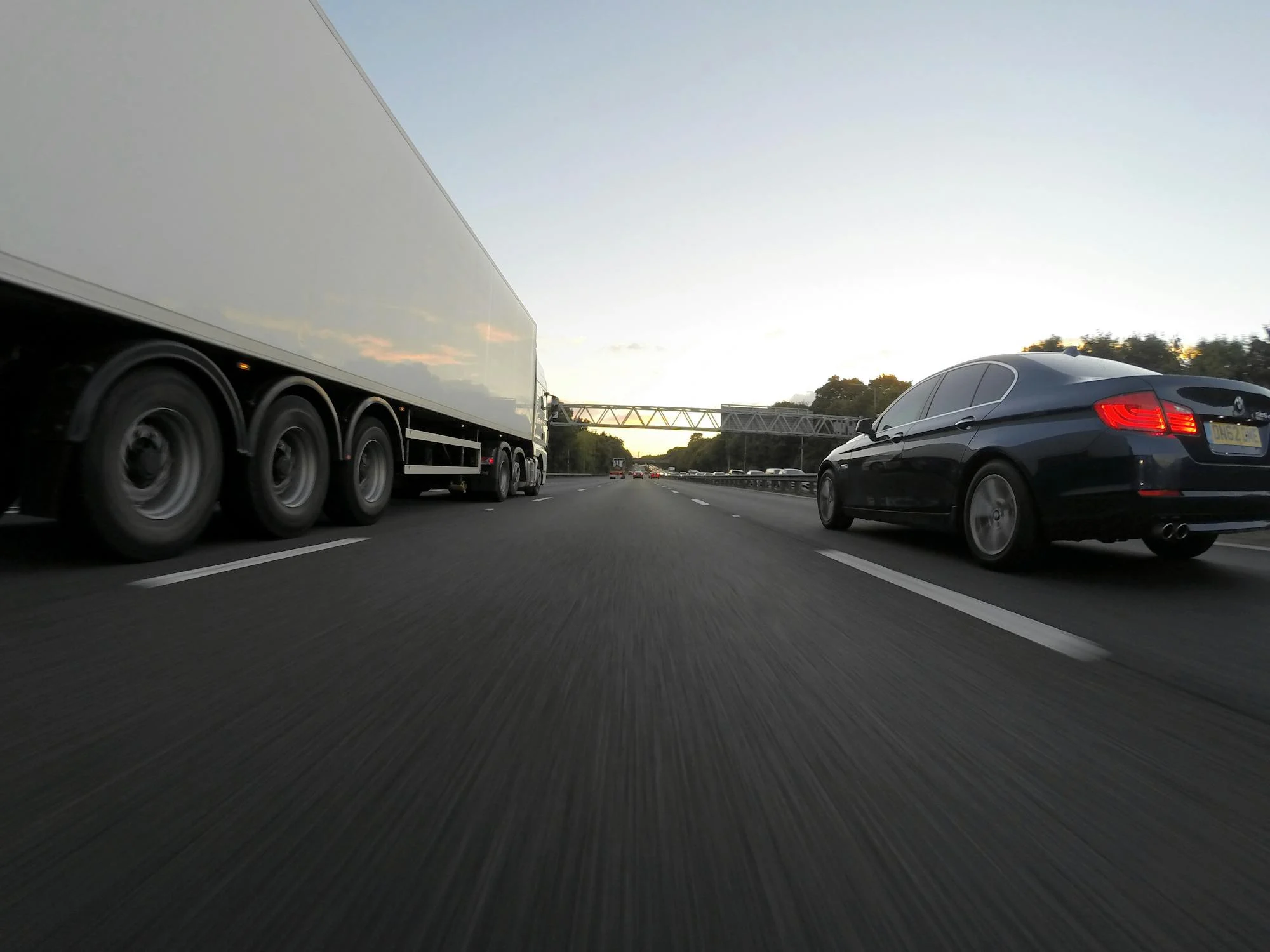

Truck driving has long been an essential backbone of the global economy, responsible for moving goods, raw materials, and finished products across cities, states, and countries. Today, the business of truck driving has evolved significantly from the romanticized image of lone drivers navigating endless highways. Modern truck driving blends rigorous logistics, technological innovation, regulatory oversight, and entrepreneurial opportunity, making it both a critical and complex industry.
The Economic Significance of Trucking
In the United States alone, trucking accounts for over 70% of all freight transportation, moving trillions of dollars’ worth of goods annually. From small regional deliveries to cross-country hauls, truck drivers are vital to supply chains that underpin retail, manufacturing, agriculture, and healthcare industries. Globally, trucking similarly supports economic growth, acting as the primary method for transporting goods to markets where rail, sea, or air transport is impractical.
The economic importance of trucking has made it a highly competitive industry. Businesses must manage costs, fuel efficiency, delivery timelines, and regulatory compliance while ensuring profitability. Trucking companies, whether small family-owned operations or massive national fleets, constantly balance operational efficiency with driver welfare—a dynamic that defines the modern trucking business.
The Role of Technology in Trucking
Technology has transformed the trucking industry dramatically over the past two decades. GPS systems, telematics, route optimization software, and fleet management platforms have increased efficiency while reducing costs and improving safety. Real-time tracking allows companies and clients to monitor shipments continuously, improving customer satisfaction and operational transparency.
Electric and autonomous trucks are also beginning to reshape the industry. While fully autonomous trucks are not yet mainstream, companies like Tesla, Waymo, and others are testing self-driving technology that could reduce labor costs and improve safety. Electric trucks, meanwhile, offer lower operational costs and reduced environmental impact. However, adoption is still limited by high upfront costs, battery range limitations, and insufficient charging infrastructure, particularly for long-haul routes.
Additionally, the integration of digital freight platforms—often called “Uber for trucking”—has revolutionized freight booking and dispatching. These platforms connect shippers directly with truck drivers, reducing empty miles and improving utilization rates. Small trucking businesses and independent owner-operators particularly benefit from this technological shift, as it allows them to compete with larger fleets.
Independent Trucking vs. Fleet Employment
The business of truck driving is split between independent owner-operators and fleet-employed drivers. Independent drivers own their trucks, manage their schedules, and negotiate contracts directly with shippers. This model offers autonomy and the potential for higher earnings, but it also requires managing maintenance, insurance, fuel costs, and regulatory compliance—significant responsibilities that can overwhelm some.
Fleet-employed drivers work for trucking companies, ranging from small regional firms to massive national carriers like FedEx, UPS, or J.B. Hunt. Employment with a fleet offers stability, consistent pay, and benefits such as healthcare and retirement plans. However, drivers often face less flexibility, stricter schedules, and sometimes pressure to meet tight delivery deadlines. The choice between independence and employment is a pivotal decision for anyone entering the trucking business today.
Regulatory Landscape
Truck driving is one of the most heavily regulated professions. In the U.S., the Federal Motor Carrier Safety Administration (FMCSA) oversees driver qualifications, vehicle standards, hours-of-service regulations, and safety compliance. Drivers must hold a Commercial Driver’s License (CDL), meet medical requirements, and maintain clean driving records to operate legally. Regulations also cover weight limits, cargo securement, and environmental compliance.
Globally, regulatory environments differ, but safety and environmental standards are universal priorities. Compliance not only avoids legal penalties but also protects drivers, vehicles, and cargo. However, navigating this complex regulatory landscape can be costly and time-consuming, especially for independent operators who lack corporate support structures.
Driver Shortages and Workforce Challenges
One of the most significant challenges facing the trucking business today is a persistent driver shortage. Aging workforces, long hours, and lifestyle demands contribute to a declining pool of professional drivers. Estimates suggest that tens of thousands of drivers are needed in the U.S. alone to meet growing demand. This shortage drives up wages and incentivizes companies to invest in recruitment, training programs, and retention strategies.
Retention is a major concern. Trucking can be physically and mentally demanding, with long periods away from home, irregular schedules, and potential safety risks. Companies now emphasize work-life balance, offering flexible routes, home time guarantees, and wellness programs to attract and retain talent. The rise of women, minorities, and younger drivers in the profession is also slowly diversifying the workforce, reflecting broader societal shifts in employment trends.
Cost Structures and Profit Margins
Understanding the economics of trucking is crucial for business success. Costs for a trucking business include fuel, maintenance, insurance, licensing, permits, and wages. Fuel is typically the largest expense, often accounting for 30–40% of operational costs, though fluctuating fuel prices can significantly impact profit margins. Maintenance and repair costs for trucks are also substantial, especially as vehicles age or face intensive long-haul usage. Many operators now invest in professional truck detailing services to maintain both the aesthetic appeal and longevity of their vehicles, which can help preserve resale value and reduce long-term repair costs.
Profit margins in trucking are generally thin, with the average carrier earning between 2–6% after expenses. Successful trucking companies focus on efficiency—optimizing routes, reducing empty miles, and leveraging technology to lower costs. Diversifying services, such as refrigerated transport, hazardous materials hauling, or last-mile delivery, can also enhance revenue streams.
Environmental and Sustainability Pressures
Trucking contributes significantly to greenhouse gas emissions, prompting both regulatory pressures and market incentives to reduce environmental impact. Companies are increasingly investing in fuel-efficient trucks, alternative fuels, and electric vehicles to meet sustainability goals. In Europe, stricter emissions regulations have accelerated the shift toward cleaner fleets, while in the U.S., incentives such as tax credits for electric trucks encourage adoption.
Sustainability is not only regulatory-driven but also market-driven. Consumers and businesses increasingly demand environmentally responsible logistics, pushing trucking companies to adopt greener practices. Companies that prioritize sustainability can gain a competitive advantage, particularly with corporate clients seeking to meet their own environmental commitments.
Future Outlook
The future of truck driving promises both opportunities and challenges. Technological advancements, including electric and autonomous trucks, will redefine operational models. Digital freight platforms will continue to improve efficiency and access to markets, empowering small operators and fostering competition. Workforce challenges will remain, necessitating innovative recruitment and retention strategies to attract the next generation of drivers.
Simultaneously, regulatory and environmental pressures will shape the industry’s evolution. Trucking businesses that adapt to sustainability trends, leverage technology, and balance operational efficiency with driver welfare are likely to thrive. Meanwhile, companies that fail to innovate may struggle in an increasingly competitive and complex marketplace.
Conclusion
The business of truck driving today is far more than a job behind the wheel; it is a multifaceted industry requiring strategic thinking, technological savvy, and regulatory compliance. From independent owner-operators navigating competitive freight markets to large fleets balancing efficiency with workforce challenges, trucking remains a critical pillar of global commerce.
As technology advances and economic demands evolve, the trucking industry is set to become even more dynamic. Those who embrace innovation, invest in sustainability, and prioritize driver welfare will define the next era of trucking. In an industry that keeps the world moving, success depends not only on the road traveled but on the vision, resilience, and adaptability of those behind the wheel.