
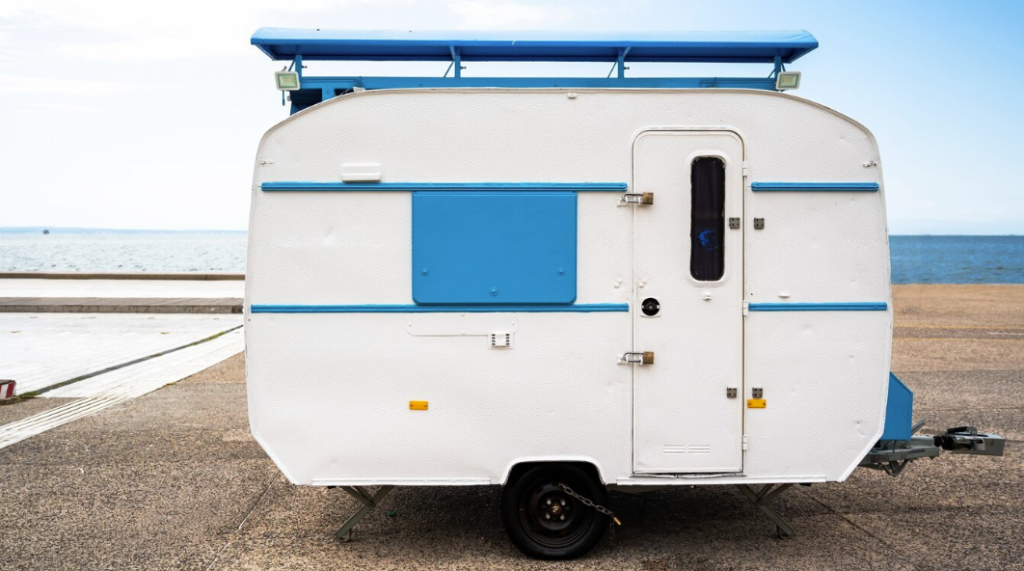
The caravan industry has witnessed a significant surge in popularity over the last decade, driven by an increasing desire for adventure, flexibility, and outdoor experiences. Caravans, which offer a blend of mobility and home comforts, have become an integral part of road trips and long-term travel. While much attention is given to the design and comfort of the caravan’s living space, the chassis — the structural framework that supports and carries the vehicle — plays a crucial role in ensuring the caravan’s safety, durability, and functionality. This article will delve into the key aspects of caravan chassis manufacturing, shedding light on the intricate processes that go into producing these essential components.
Understanding the Caravan Chassis
A caravan chassis is the frame that supports the vehicle and holds all the critical components in place, including the body, wheels, suspension system, and tow coupling. It is the foundation for the entire caravan, withstanding the rigors of long-distance travel, uneven terrains, and varying weather conditions. Given its central role in the caravan’s structural integrity, the chassis must be designed and manufactured to meet stringent safety standards and durability requirements.
The chassis must be strong enough to bear the weight of the caravan’s body, including any cargo, while providing the necessary flexibility to absorb shocks and vibrations. Additionally, it must be compatible with various towing vehicles and offer smooth handling during travel.
Materials Used in Caravan Chassis Manufacturing
The materials used in manufacturing caravan chassis are critical in determining their strength, weight, and longevity. Traditionally, steel has been chosen for chassis manufacturing due to its high strength and reliability. However, modern advancements in materials have led to the adoption of alternative options, such as aluminum and composite materials.
- Steel Chassis: Steel is a popular material in caravan chassis manufacturing due to its high tensile strength, resistance to wear and tear, and relatively low cost. It can withstand the harsh conditions of long road trips and handle the heavy weight of a fully loaded caravan. Steel frames are also durable, and when properly treated with corrosion-resistant coatings, they can provide many years of service.
- Aluminum Chassis: Aluminum has gained popularity in recent years due to its lighter weight compared to steel. A lighter chassis contributes to better fuel efficiency when towing the caravan. Although aluminum is not as strong as steel, it offers a good balance between strength and weight, making it ideal for smaller and medium-sized caravans. Aluminum chassis are also corrosion-resistant, which is especially important for caravans that will be exposed to wet and salty environments.
- Composite Chassis: Some manufacturers are experimenting with composite materials to create lightweight yet durable chassis. These materials combine the benefits of metals like steel and aluminum with the strength of fibers and polymers. Composite chassis offer excellent resistance to corrosion, are lighter than steel, and can be designed to meet specific strength requirements. While still relatively new in the industry, composite materials are gaining traction for their potential to reduce weight without compromising performance.
Design and Engineering of Caravan Chassis
The design and engineering of a caravan chassis are paramount in ensuring the safety and functionality of the vehicle. A well-designed chassis should provide structural integrity, smooth towing performance, and the ability to withstand road stresses. The design process involves the consideration of various factors, including the caravan’s weight distribution, towing dynamics, suspension requirements, and road handling characteristics.
- Weight Distribution and Balance: The weight distribution on the chassis affects the stability of the caravan when it is being towed. Poor weight distribution can lead to handling problems such as swaying, fishtailing, and loss of control. Manufacturers ensure that the weight is evenly distributed across the chassis, particularly over the axles, to maintain stability and minimize the risk of accidents.
- Towing Dynamics and Compatibility: The chassis must be compatible with a range of towing vehicles, from cars to larger trucks. Towing dynamics refer to how the caravan responds to steering inputs, braking, and acceleration when being towed. A well-designed chassis ensures that the caravan follows the towing vehicle smoothly, without any excessive sway or instability.
- Suspension Integration: The suspension system of a caravan is integrated into the chassis to ensure a smooth and comfortable ride. The suspension system absorbs shocks from uneven surfaces and helps distribute the load evenly across the caravan. A properly designed suspension system also enhances the lifespan of the caravan by reducing the impact of bumps, potholes, and other road irregularities.
Manufacturing Process of Caravan Chassis
The manufacturing process of a caravan chassis involves several stages, each requiring precision and attention to detail. Specialized caravan chassis manufacturers in Melbourne, for instance, are known for their expertise in creating high-quality frames that adhere to stringent safety regulations. This process ensures that each chassis meets the necessary safety standards and is capable of performing reliably under various conditions.
- Frame Construction: The first step in manufacturing a caravan chassis is constructing the frame. The frame is either welded or bolted together depending on the design using high-strength steel or aluminum components. Advanced robotic welding technology is often used for steel frames, ensuring precise and uniform welds that enhance the frame’s strength and integrity.
- Cutting and Shaping: The materials used in chassis construction are cut and shaped into specific parts, such as beams, supports, and cross members. CNC (computer numerical control) machines often ensure accurate cuts and shaping for each part. Precision in this stage is vital to guarantee that all components fit together correctly during assembly.
- Heat Treatment and Corrosion Protection: Steel chassis are often heat-treated to improve their hardness and strength. After construction, the chassis undergo a corrosion protection process, such as galvanization or a protective coating. This step ensures that the chassis will withstand exposure to moisture, salt, and other environmental factors without rusting or deteriorating.
- Suspension System Integration: The suspension components, including springs, shock absorbers, and axles, are integrated into the chassis. This step requires careful alignment and adjustment to ensure the suspension system works optimally and provides the necessary shock absorption and load distribution.
- Quality Control and Testing: Before the chassis is ready for use, it undergoes rigorous quality control and testing to ensure that it meets the required standards for safety, durability, and performance. This may include stress testing, load testing, and inspections to check for any structural defects or weaknesses.
Challenges and Innovations in Caravan Chassis Manufacturing
As the demand for caravans grows, manufacturers are continually seeking ways to improve their products’ performance, safety, and comfort. Some of the industry’s key challenges include reducing weight while maintaining strength, improving corrosion resistance, and ensuring that the chassis can withstand the increasing size and weight of modern caravans.
Manufacturers are exploring new materials, design techniques, and manufacturing processes to address these challenges. For example, some companies are utilizing lightweight composite materials and advanced aluminum alloys to create stronger, more durable chassis that weigh less. Others are investing in automation and robotics to streamline manufacturing and improve precision.
Conclusion
Caravan chassis manufacturing is a highly specialized and complex process that plays a critical role in ensuring caravans’ safety, durability, and performance. The choice of materials, design considerations, and manufacturing techniques all contribute to the quality of the final product. As the industry continues to evolve, manufacturers are embracing new technologies and materials to meet the demands of an increasingly mobile and adventurous population. Whether you are embarking on a short weekend getaway or a long-term road trip, your caravan’s chassis will provide the foundation for a safe and comfortable journey.