
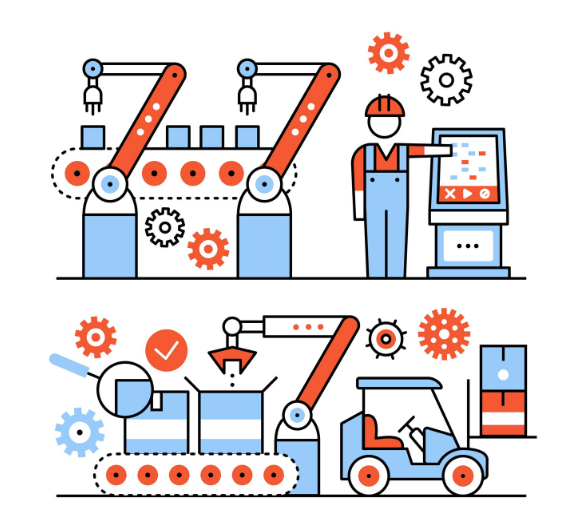
Manufacturing equipment represents one of the most significant investments a company can make. Whether operating a small fabrication shop or a large-scale production facility, the reliability and efficiency of machinery directly affect productivity, product quality, profitability, and workplace safety. Equipment breakdowns can result in costly downtime, missed deadlines, expensive repairs, and dissatisfied customers. For these reasons, protecting manufacturing equipment should be a top priority for every organization.
Effective equipment protection involves more than simply fixing machines when they fail. It requires a proactive approach that combines preventive maintenance, employee training, environmental controls, technology integration, and strategic planning. By implementing comprehensive equipment protection measures, manufacturers can extend asset lifespan, reduce operational costs, and maintain a competitive advantage.
The Importance of Equipment Protection
Manufacturing equipment operates under demanding conditions. Continuous use, exposure to dust, vibration, heat, moisture, and heavy workloads can gradually degrade machinery components. Without proper care, even high-quality equipment can experience premature wear and unexpected failures.
Protecting equipment provides several important benefits:
- Reduced downtime and production interruptions
- Lower maintenance and repair costs
- Improved product quality and consistency
- Enhanced workplace safety
- Increased equipment lifespan
- Better return on investment
- Improved regulatory compliance
When equipment functions reliably, manufacturers can focus on meeting customer demands and growing their business rather than responding to emergencies.
Implementing Preventive Maintenance Programs
One of the most effective ways to protect manufacturing equipment is through preventive maintenance. Unlike reactive maintenance, which addresses problems after they occur, preventive maintenance focuses on routine inspections and servicing to prevent failures before they happen.
A successful preventive maintenance program typically includes:
Regular Inspections
Routine inspections allow maintenance teams to identify early signs of wear, corrosion, leaks, misalignment, or component damage. Detecting issues early often prevents more serious problems and costly repairs.
Scheduled Lubrication
Proper lubrication reduces friction between moving parts, minimizes wear, and improves operational efficiency. Manufacturers should follow equipment-specific lubrication schedules and use recommended lubricants.
Component Replacement
Certain parts, such as belts, bearings, seals, and filters, have predictable service lives. Replacing these components before failure helps maintain equipment reliability and reduces the risk of unexpected breakdowns.
Calibration and Testing
Regular calibration ensures machines operate within specified tolerances, maintaining product quality and reducing stress on critical components.
By establishing and following a structured maintenance schedule, organizations can significantly improve equipment performance and longevity.
Training Employees on Proper Equipment Use
Even the most advanced machinery can be damaged by improper operation. Employee training plays a critical role in protecting manufacturing equipment.
Operators should understand:
- Correct startup and shutdown procedures
- Safe operating limits
- Warning signs of potential problems
- Proper cleaning methods
- Emergency response procedures
- Reporting requirements for equipment issues
Well-trained employees are more likely to identify abnormalities early and avoid actions that could damage equipment. Ongoing training programs also help reinforce best practices and keep workers informed about new technologies and procedures.
Maintaining a Clean Manufacturing Environment
Cleanliness is often overlooked as an equipment protection strategy, but it can have a substantial impact on machinery performance.
Dust, debris, metal shavings, chemicals, and moisture can accumulate on equipment and contribute to wear, overheating, contamination, and mechanical failure. Establishing routine cleaning procedures helps minimize these risks. In facilities where machinery is exposed to moisture, chemicals, or harsh operating conditions, applying a chassis protection coating can provide an additional layer of defense against corrosion and environmental damage, helping extend equipment lifespan.
Important environmental controls may include:
- Regular equipment cleaning schedules
- Dust collection systems
- Proper ventilation
- Humidity control
- Spill prevention measures
- Organized workspaces
A clean production environment not only protects equipment but also improves worker safety and product quality.
Monitoring Equipment Performance
Modern manufacturers increasingly rely on performance monitoring systems to protect critical assets. These technologies provide real-time insights into machine health and operating conditions.
Common monitoring tools include:
Vibration Analysis
Excessive vibration often indicates imbalance, misalignment, bearing wear, or other mechanical issues. Continuous vibration monitoring can identify developing problems before they cause failure.
Temperature Monitoring
Abnormal temperature increases may signal friction, lubrication issues, electrical faults, or cooling system failures. Temperature sensors help maintenance teams respond quickly to potential threats.
Oil Analysis
Analyzing lubricant samples can reveal contamination, metal wear particles, and fluid degradation. Oil analysis provides valuable information about internal equipment conditions.
Performance Analytics
Advanced software platforms collect and analyze operational data to identify trends, predict failures, and optimize maintenance schedules.
These technologies support predictive maintenance strategies that improve reliability while reducing maintenance costs.
Protecting Equipment from Power Issues
Electrical disturbances can severely damage manufacturing equipment. Power surges, voltage fluctuations, outages, and electrical faults can affect sensitive controls, motors, and automation systems.
Manufacturers can reduce these risks by implementing:
- Surge protection devices
- Uninterruptible power supplies (UPS)
- Voltage regulators
- Backup generators
- Proper grounding systems
- Routine electrical inspections
Protecting electrical infrastructure helps safeguard valuable equipment and minimizes disruptions to production operations.
Establishing Proper Storage Practices
Not all manufacturing equipment operates continuously. Spare machinery, seasonal equipment, and replacement components may spend extended periods in storage.
Improper storage can lead to corrosion, contamination, deterioration, and mechanical problems. Effective storage practices include:
- Maintaining clean storage areas
- Controlling temperature and humidity
- Applying protective coatings when necessary
- Covering equipment to prevent dust accumulation
- Rotating stored equipment periodically
- Following manufacturer storage guidelines
Proper storage ensures equipment remains ready for use when needed and helps preserve asset value.
Using Protective Guards and Safety Devices
Protective guards and safety devices serve two important functions: safeguarding workers and protecting equipment.
Machine guards help prevent accidental contact with moving parts while also reducing the risk of foreign objects entering critical machinery. Safety systems such as emergency stops, overload protection, and interlocks can prevent damage during abnormal operating conditions.
Manufacturers should regularly inspect safety devices to ensure they remain functional and compliant with applicable regulations.
Leveraging Predictive Maintenance Technologies
The rise of Industry 4.0 technologies has transformed equipment protection strategies. Predictive maintenance uses sensors, artificial intelligence, and data analytics to forecast equipment failures before they occur.
Benefits of predictive maintenance include:
- Reduced unplanned downtime
- More efficient maintenance scheduling
- Lower repair costs
- Extended equipment life
- Improved resource allocation
By identifying maintenance needs based on actual equipment condition rather than fixed schedules, manufacturers can optimize maintenance efforts and improve operational efficiency.
Developing a Comprehensive Asset Management Strategy
Equipment protection should be part of a broader asset management framework. A comprehensive strategy helps organizations make informed decisions regarding maintenance, upgrades, replacement planning, and capital investments.
Key elements of asset management include:
- Equipment inventories
- Maintenance histories
- Performance tracking
- Risk assessments
- Lifecycle cost analysis
- Replacement planning
Maintaining accurate records enables better decision-making and supports long-term operational success.
Creating a Culture of Equipment Care
Successful equipment protection requires commitment throughout the organization. Management, maintenance personnel, and machine operators all play important roles in preserving equipment health.
Organizations can foster a culture of equipment care by:
- Encouraging proactive reporting of issues
- Recognizing employees who follow best practices
- Providing ongoing training
- Establishing clear maintenance responsibilities
- Investing in reliable maintenance resources
When employees understand the value of equipment protection and take ownership of their responsibilities, machinery tends to perform more reliably and efficiently.
Manufacturing equipment is essential to production success, making its protection a critical business priority. Equipment failures can disrupt operations, increase costs, and negatively impact customer satisfaction. However, with the right strategies in place, manufacturers can significantly reduce these risks.
Preventive maintenance, employee training, environmental controls, performance monitoring, power protection, proper storage, and predictive technologies all contribute to a comprehensive equipment protection program. By taking a proactive approach to equipment management, manufacturers can extend asset lifespan, improve operational efficiency, enhance workplace safety, and maximize their return on investment.