
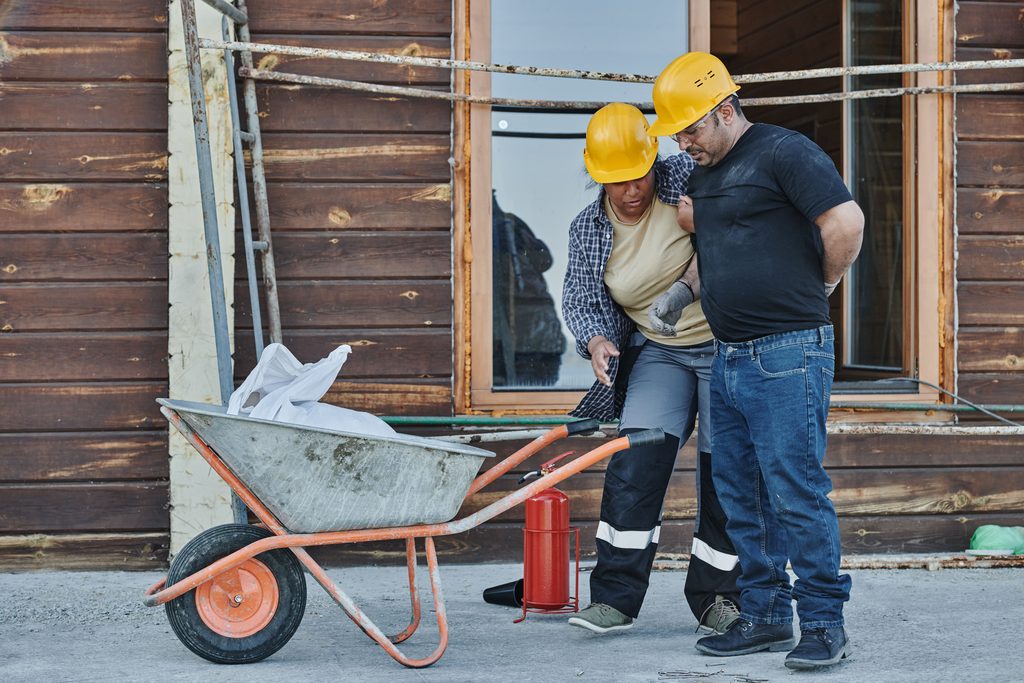
A work injury rarely arrives at a convenient time. One moment you’re lifting a box, climbing a ladder, or simply reaching for a file on a high shelf, and the next you’re facing weeks or months of recovery, doctor visits, and the frustrating reality that your body needs time you didn’t plan for. For many people, the instinct is to imagine recovery as something that happens in a clinic or a hospital room, away from the comforts and routines of everyday life. But in recent years, home-based recovery has become not just a possibility but, for many injuries, the preferred path. With the right approach, you can heal effectively, safely, and often more comfortably without ever leaving your own house.
Why Home Recovery Has Become More Common
Healthcare has shifted significantly over the past decade. Hospitals and clinics are increasingly focused on reducing unnecessary in-person visits, both to cut costs and to reduce the risk of secondary infections or complications that can occur in clinical settings. At the same time, telehealth technology has matured to the point where physical therapists, occupational therapists, and physicians can monitor recovery remotely with a level of detail that would have seemed impossible a generation ago.
For workplace injuries specifically, employers and insurers have also recognized that home recovery, when properly supported, tends to produce better outcomes. Employees who recover in familiar surroundings often report lower stress levels, better sleep, and a stronger sense of control over their healing process. All of these factors matter more than people realize. Stress and poor sleep can measurably slow tissue repair and immune response, meaning that the environment you recover in is not just a matter of comfort but a genuine clinical variable.
Setting Up a Recovery-Friendly Home
The first step in recovering from a work injury at home is creating a space that actually supports healing. This doesn’t require a full home renovation, but it does require some intentional thought.
Start with your immediate environment. If you’re dealing with a back injury, a supportive chair and a firm mattress can make an enormous difference in daily comfort. If you’re recovering from a hand, wrist, or arm injury, consider rearranging frequently used items so that you’re not straining to reach for things you use throughout the day. Kitchen counters, bathroom shelves, and even your workspace at home may need small adjustments.
Lighting matters more than most people expect. Poor lighting can increase the risk of falls, especially if you’re recovering from a leg or hip injury and using a cane, crutches, or a walker. Clear pathways, non-slip mats, and well-lit hallways are simple changes that reduce the risk of a second injury during recovery.
Temperature and air quality also play a role, particularly for injuries involving inflammation. A room that’s too warm can increase swelling, while one that’s too cold can cause muscle stiffness. Keeping your recovery space at a moderate, consistent temperature helps your body do its work without added stress.
Working With Remote Medical Support
One of the biggest changes in home-based recovery is the availability of remote medical oversight. Telehealth appointments allow you to check in with a physician or specialist without the physical toll of traveling to an office, which matters enormously when mobility itself is the problem.
Physical therapy has adapted particularly well to remote formats. Many therapists now offer video sessions where they guide you through exercises in real time, correcting your form and adjusting your program based on how you’re moving. For injuries that require more hands-on assessment, excellent mobile physiotherapy services have also emerged as a practical solution, sending licensed therapists directly to your home to conduct evaluations, manual therapy, and guided exercise sessions without requiring you to travel at all. Some clinics have also started shipping resistance bands, foam rollers, and other basic equipment directly to patients so that home exercises can closely mirror what would happen in a clinical gym.
It’s worth being proactive here rather than waiting for your care team to suggest a remote option. Ask your doctor or therapist directly whether virtual check-ins are available for your specific injury. Not every condition is suited to remote monitoring, but a surprising number are, especially musculoskeletal injuries like sprains, strains, and post-surgical rehabilitation for joints.
Managing Pain and Medication Safely
Pain management is often one of the trickiest parts of recovering at home, particularly because there’s no nurse checking in every few hours to monitor medication timing or side effects. Building a simple, consistent system matters here. Pill organizers, phone reminders, and a written log of when medications were taken can prevent the common mistake of doubling up on a dose or forgetting one entirely.
If you’re managing pain with a combination of medication and non-drug approaches, home recovery gives you more flexibility to experiment with what actually works. Ice and heat therapy, for instance, are easy to apply consistently at home in ways that are harder to replicate during brief clinical visits. Gentle stretching, guided breathing exercises, and even simple mindfulness practices have been shown to reduce the perceived intensity of pain, and they’re far easier to build into a daily routine when you’re not rushing between appointments.
That said, it’s important to stay in close contact with your medical provider about pain levels. Pain that suddenly worsens, or that doesn’t respond to your usual management approach, is a signal that something may need reassessment, and home recovery should never mean isolation from professional guidance.
Staying Connected to Your Employer and Insurer
Recovering at home doesn’t mean disappearing from the process of documenting your injury and treatment. Regular communication with your employer’s HR department or your workers’ compensation case manager helps ensure that your recovery timeline, medical updates, and any necessary paperwork stay on track. Many companies now have digital portals for exactly this purpose, allowing you to upload documentation, track appointments, and communicate with case managers without needing to visit an office in person.
Keeping a simple daily log of your symptoms, pain levels, and any exercises or treatments completed can also be valuable. Not only does this help your medical team track progress, but it creates a clear record if there are ever questions about the injury or the recovery timeline later on.
The Emotional Side of Recovery
Physical healing tends to get most of the attention, but the emotional toll of a work injury is real and often underestimated. Being unable to work, especially for an extended period, can trigger feelings of frustration, guilt, or even anxiety about financial stability. Recovering at home, surrounded by familiar routines and support systems, can genuinely help with this emotional burden compared to an unfamiliar clinical setting.
Staying socially connected matters too. It’s easy to become isolated during a long recovery, particularly if mobility is limited. Video calls with friends, family check-ins, and even light social activities that don’t strain the injury can make a meaningful difference in mental well-being, which in turn supports physical healing.
Knowing When Home Isn’t Enough
Home recovery works well for a wide range of injuries, but it’s not universal. Severe injuries requiring intensive monitoring, complex surgical aftercare, or specialized equipment may still require inpatient care, at least initially. The key is having an honest conversation with your medical team about what level of care your specific injury actually requires, rather than assuming home recovery is automatically appropriate or automatically inadequate.
Final Thoughts
Recovering from a work injury without leaving home is no longer a compromise; for many injuries, it’s simply a smarter, more comfortable way to heal. With a thoughtfully arranged living space, consistent communication with medical professionals, careful pain management, and attention to emotional well-being, home can become one of the most effective recovery environments available. The goal isn’t to avoid professional care, but to bring that care into a setting where you’re most likely to rest, heal, and return to full strength.