
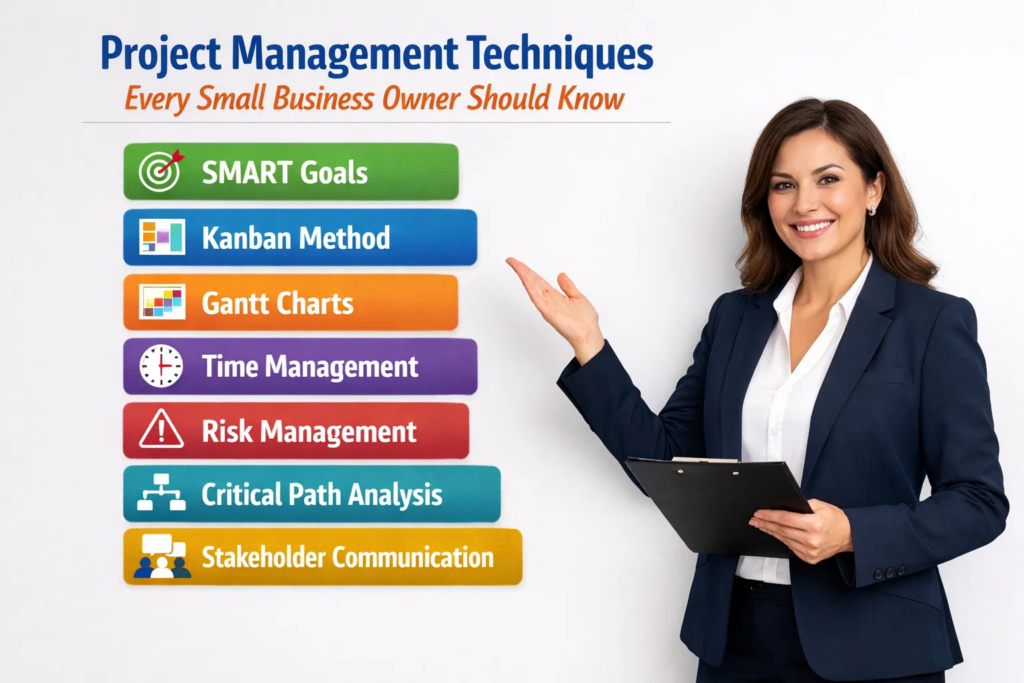
In small business ownership, mastering project management techniques can be the key to not just survival, but thriving in a competitive landscape. As you juggle multiple responsibilities ranging from customer service to marketing, having a structured approach to managing projects can streamline your operations, keep your team aligned, and enhance your overall productivity. This article aims to unveil essential project management techniques every small business owner should know, helping you navigate the challenges of running your own enterprise effectively.
Understanding Project Management Basics for Small Businesses
At its core, project management involves planning, executing, and closing projects effectively and efficiently. For small business owners, understanding the basics of project management can help streamline operations and improve productivity. This process includes defining project objectives, assembling a team, allocating resources, and managing the project timeline. Familiarizing yourself with these fundamentals will enable you to execute projects that align with your business goals while keeping your team motivated and engaged.
One fundamental concept in project management is the project life cycle, which consists of five phases: initiation, planning, execution, monitoring, and closure. Each phase is equally important and requires careful attention to detail. In the initiation phase, you’ll define the project’s purpose and feasibility; during planning, you’ll outline the steps and resources needed. The execution phase is where the actual work gets done, while monitoring ensures that everything stays on track. Finally, closure involves evaluating outcomes and reflecting on lessons learned, which is critical for continuous improvement.
Moreover, small business owners should grasp the importance of stakeholder management. Identifying who will be affected by your projects be it employees, customers, or partners can foster communication, enhance collaboration, and drive project success. Engaging stakeholders early and often ensures that everyone’s needs are considered, leading to more successful project outcomes. Understanding these basic principles of project management can set a strong foundation for your business’s growth.
Essential Planning Techniques to Organize Your Projects
Effective planning is the backbone of successful project management. Without a well-thought-out plan, projects can easily go off track, leading to wasted time and resources. One effective technique is to create a detailed project plan that outlines objectives, timelines, deliverables, and resources required. Utilizing tools like Gantt charts can visually represent timelines and dependencies, making it easier to understand the project flow and identify potential bottlenecks before they become issues.
Another valuable planning technique is the use of SMART goals Specific, Measurable, Achievable, Relevant, and Time-bound. By setting SMART goals, you clarify project objectives and establish clear criteria for success. This approach not only keeps your team focused but also facilitates performance tracking, making it easier to celebrate achievements and identify areas for improvement. Incorporating SMART goals into your project planning can lead to enhanced accountability and performance.
Additionally, consider conducting a risk assessment during the planning phase. Identifying potential risks and devising mitigation strategies in advance can save your business from unforeseen challenges. This proactive approach ensures that your team is prepared to handle setbacks, thereby minimizing disruptions and maintaining project momentum. Fostering a culture of careful planning will empower your small business to tackle projects confidently and effectively.
Effective Time Management Strategies for Busy Owners
Time management is critical for small business owners who often wear many hats. One effective strategy is time blocking, where you allocate specific hours of your day to particular tasks. This method allows you to focus on one project at a time, reducing distractions and enhancing productivity. By dedicating uninterrupted blocks of time to essential tasks, you can make significant progress without feeling overwhelmed by competing priorities.
Another technique is prioritization, which involves categorizing tasks based on their urgency and importance. Implementing the Eisenhower Matrix can be beneficial here; it splits tasks into four quadrants urgent and important, important but not urgent, urgent but not important, and neither. This approach allows you to focus on what truly matters, ensuring that you’re investing time in activities that drive your business forward instead of getting bogged down with less critical tasks.
Lastly, setting deadlines for yourself and your team can create a sense of urgency that drives performance. Even if a project doesn’t have an external deadline, establishing internal deadlines can motivate your team to stay on track. Regular check-ins and progress updates will also keep everyone accountable and aligned. Effective time management is not just about working harder; it’s about working smarter to make the most of every minute in your busy day.
Utilizing Agile Methodologies for Flexibility and Speed
Agile methodologies have gained traction in project management, particularly for small businesses that need to adapt quickly to changing circumstances. Agile focuses on iterative progress and customer feedback, allowing for flexibility in project execution. This approach empowers teams to pivot when necessary, making it easier to respond to market dynamics or client needs without derailing the entire project.
One well-known agile framework is Scrum, which breaks projects into short cycles called sprints. Each sprint typically lasts from one to four weeks, enabling teams to focus on delivering small, incremental improvements. This technique not only promotes collaboration but also facilitates rapid problem-solving, as teams can assess and adjust their approaches based on real-time feedback. Adopting Scrum can lead to higher efficiency and enhanced team morale, as members see their contributions making a tangible impact.
Another agile concept is the minimum viable product (MVP), where you launch a basic version of your product to gather user feedback. This iterative process allows you to test hypotheses and make adjustments before fully committing resources. By focusing on delivering value early and gathering insights, small business owners can make informed decisions that guide future project directions. Utilizing agile methodologies equips your business to be more responsive, innovative, and competitive in the marketplace.
The Importance of Communication in Project Success
Clear communication is integral to the success of any project, particularly in a small business environment where resources are often limited. Establishing open lines of communication ensures that everyone involved is aware of project goals, timelines, and their specific roles. Regularly scheduled meetings and updates create a forum for team members to express concerns, share insights, and offer solutions, fostering a collaborative atmosphere.
In addition to team communication, it’s crucial to maintain transparency with stakeholders. Keeping clients, suppliers, and other relevant parties informed about project status can build trust and strengthen relationships. If challenges arise, communicating them early allows for collaborative problem-solving rather than reactive measures. Transparency not only enhances stakeholder confidence but also mitigates potential misunderstandings or conflicts down the line.
Moreover, leveraging communication tools and software can further streamline project discussions. Platforms like Slack or Microsoft Teams provide a centralized space for team collaborations, allowing for real-time updates and document sharing. Implementing these tools can enhance team cohesion and ensure that important information is easily accessible, contributing to a more organized and efficient project workflow. Prioritizing communication will significantly enhance your project success rates and overall business effectiveness.
Tools and Software to Simplify Project Management Tasks
In today’s digital age, leveraging tools and software for project management can drastically simplify tasks and improve efficiency. Platforms like Trello or Asana allow you to create task boards, assign responsibilities, and track progress in real-time. These visual tools help clarify project workflows and ensure accountability among team members, making collaboration seamless and organized.
Another powerful software solution is Microsoft Project, which offers advanced features for scheduling, budgeting, and resource management. This tool is particularly useful for small business owners managing complex projects with multiple dependencies. By utilizing project management software, you can easily allocate resources, set timelines, and monitor progress, freeing up your time to focus on strategic decisions.
Additionally, don’t overlook the power of cloud-based document sharing and storage solutions like Google Drive or Dropbox. These platforms facilitate easy access to project files for all team members, ensuring that everyone is working with the latest information. By integrating these digital tools into your workflow, you can enhance your project management processes and minimize the stress of juggling multiple tasks.
Measuring Success: Key Performance Indicators to Track
Tracking Key Performance Indicators (KPIs) is vital for assessing project success and overall business performance. KPIs provide measurable values that indicate how effectively your projects align with your business objectives. For small business owners, relevant KPIs could include project completion time, budget adherence, client satisfaction, and team productivity metrics. Establishing these benchmarks at the outset can guide your project management efforts and reveal areas for improvement.
One effective technique is to use a balanced scorecard approach, which captures multiple perspectives financial, customer, internal processes, and learning and growth. This multifaceted view enables you to assess not just the end results but also the processes that contribute to success. By focusing on a broader range of KPIs, you can develop a more nuanced understanding of your project’s impact on your business.
Regularly reviewing your KPIs will also facilitate informed decision-making. If certain projects consistently fall short of expectations, it may be time to reevaluate your planning or execution strategies. This data-driven approach allows small business owners to make adjustments proactively, ultimately leading to better project outcomes. By prioritizing KPI tracking, you’ll steer your business toward growth and success.
Tips for Continuous Improvement in Your Processes
Continuous improvement is a cornerstone of effective project management, particularly for small business owners who must adapt to changing market conditions. One technique to cultivate continuous improvement is the Plan-Do-Check-Act (PDCA) cycle. This iterative approach encourages you to plan a change, execute it, evaluate the results, and adjust accordingly. By consistently applying the PDCA cycle, you’ll foster a culture of learning and innovation within your organization.
Another strategy is to regularly solicit feedback from your team and stakeholders. Creating a safe space for open dialogue can yield invaluable insights into what’s working and what isn’t. Consider conducting retrospective meetings after project completion to reflect on successes and challenges. This practice not only identifies areas for enhancement but also promotes team cohesion and accountability.
Lastly, invest in training and development opportunities for your team. Equipping your employees with new skills and knowledge can increase their effectiveness and motivation. When team members feel empowered to grow, they are more likely to contribute innovative solutions that drive project success. By embedding continuous improvement into your processes, your small business will remain agile, competitive, and resilient in the ever-evolving marketplace.
Mastering project management techniques is crucial for small business owners striving for efficiency, effectiveness, and growth. By understanding the fundamentals, implementing planning techniques, prioritizing communication, and leveraging technology, you can streamline your projects and enhance overall performance. As you continue to evolve, embracing continuous improvement will ensure your business remains adaptable to industry changes. Armed with these insights, you’re well on your way to transforming your project management approach, fostering a thriving and successful enterprise.
Author Michelle Mckee Founder of https://www.projectmanagertemplate.com/