
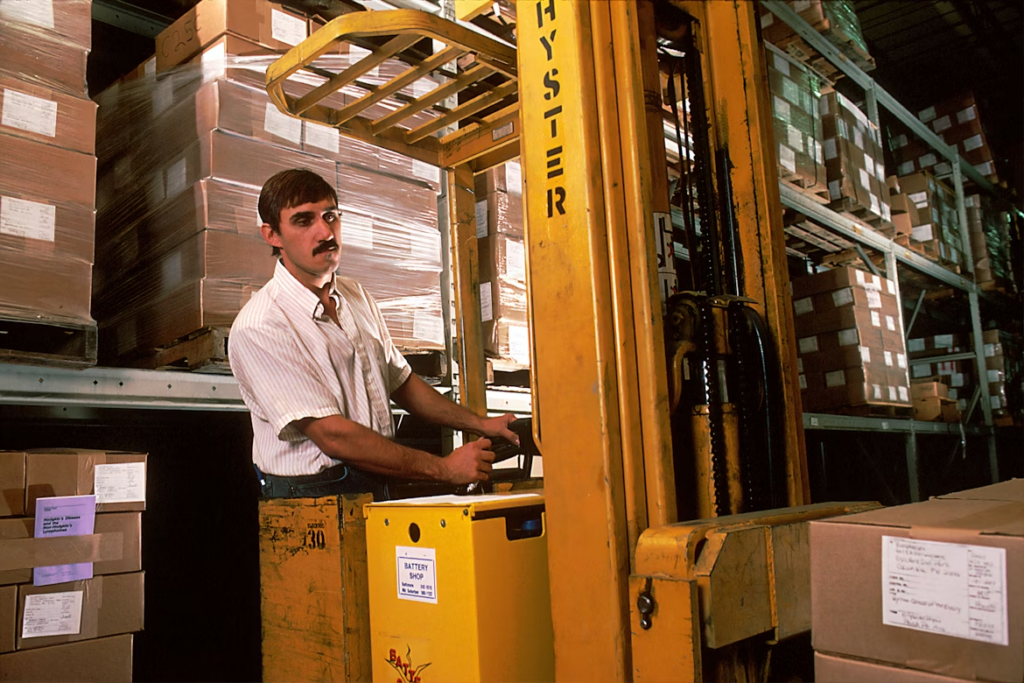
Warehouse optimisation is a key factor in modern supply chain success, helping businesses improve efficiency, reduce costs, and meet rising customer expectations. As global commerce grows and delivery speeds become more important, warehouses must operate with precision and flexibility. Optimisation focuses on improving layouts, workflows, and technology use so that goods move through the facility in the most efficient way possible. This creates a smoother operation where time, labour, and space are all used effectively.
Space Utilisation
One of the most important aspects of warehouse optimisation is making the best possible use of available space. Many warehouses struggle with inefficient layouts that lead to wasted storage capacity and unnecessary congestion. By analysing inventory flow and demand patterns, businesses can place frequently accessed items closer to packing and dispatch areas. Vertical storage systems, adjustable racking, and smart slotting strategies allow companies to store more goods without expanding their physical footprint. This reduces costs and improves accessibility.
Operational Efficiency
Operational efficiency is significantly improved when warehouse processes are properly optimised. In poorly organised environments, workers often spend excessive time walking between locations, searching for items, or correcting mistakes. Optimisation introduces structured picking routes, barcode scanning systems, and warehouse management software that streamline daily tasks. These systems reduce wasted movement and ensure tasks are completed in a logical sequence. As a result, productivity increases while labour costs decrease, allowing businesses to handle higher order volumes with the same workforce.
Order Accuracy
Order accuracy is essential for maintaining customer trust and reducing operational losses. Mistakes in picking or packing can lead to returns, delays, and dissatisfied customers. Warehouse optimisation reduces these errors by introducing verification systems and automated tracking tools that confirm the correct items are selected before shipment. Standardised workflows also ensure consistency across staff members. With improved accuracy, businesses can strengthen their reputation and minimise the financial impact of returns and replacements.
Inventory Management
Effective inventory management is another major benefit of warehouse optimisation. Without proper systems, businesses risk overstocking slow-moving products or running out of high-demand items. Both situations negatively affect profitability. Modern warehouses use real-time tracking systems and predictive analytics to monitor stock levels and forecast demand more accurately. This allows companies to maintain the right balance of inventory, reducing storage costs while ensuring product availability. Improved inventory control also helps reduce waste and improves cash flow efficiency.
Cost Reduction
Cost reduction is a natural outcome of a well-optimised warehouse. When processes are streamlined, businesses spend less on labour, energy, and equipment maintenance. Efficient layouts reduce unnecessary handling, while automation minimises repetitive manual tasks. Over time, these improvements significantly lower operational expenses. In addition, better organisation reduces product damage and loss, further protecting profit margins. Overall, warehouse optimisation enables companies to achieve more with fewer resources.
Safety
Warehouse safety is greatly improved through proper optimisation of layouts, workflows, and equipment usage. Clear pathways, organised storage systems, and well-defined operational zones reduce the risk of accidents and collisions. A reliable forklift service also ensures that material handling equipment is properly maintained, reducing the likelihood of mechanical failures that could lead to workplace incidents. Regular inspections and servicing help keep forklifts operating safely and efficiently, protecting both employees and goods. A structured environment ultimately leads to fewer accidents and a more secure working space.
Scalability
Scalability is another important advantage of warehouse optimisation. As businesses grow, their storage and distribution needs become more complex. An optimised warehouse is designed with flexibility in mind, allowing it to adapt to increased order volumes or new product lines without major disruptions. Scalable systems such as modular shelving, cloud-based software, and automated processes make expansion smoother and more cost-effective. This ensures long-term operational stability even as demand fluctuates.
Customer Satisfaction
Customer satisfaction is one of the most important outcomes of warehouse optimisation. Faster order processing, accurate shipments, and consistent product availability all contribute to a better customer experience. In today’s competitive market, customers expect quick and reliable delivery services. An efficient warehouse helps businesses meet these expectations, reducing delays and errors. This not only improves customer loyalty but also strengthens brand reputation and encourages repeat business.
Conclusion
In conclusion, warehouse optimisation plays a vital role in improving every aspect of supply chain performance. From space utilisation and efficiency to safety and customer satisfaction, its benefits are wide-ranging and significant. Businesses that invest in optimised warehouse systems gain a strong competitive advantage through reduced costs, improved accuracy, and better service delivery. As the demands of global trade continue to rise, warehouse optimisation will remain essential for long-term success.